

THE FUTURE OF NIGHTLIFE ISN’T MUSIC. IT’S ENVIRONMENT.
For years, nightlife has been built around one thing — music.
For years, nightlife has been built around one thing — music. A strong lineup, a powerful sound system, and a packed dance floor were enough to define a successful venue. But that model is changing fast. Today, what truly defines a space isn’t just what you hear, but what you feel the moment you walk in.
Audiences are no longer passive. They experience, capture, and share everything in real time. A good sound system might carry the night, but it’s the environment that shapes memory. The lighting, the visuals, the way space reacts to energy — these elements now define whether a venue feels ordinary or unforgettable.
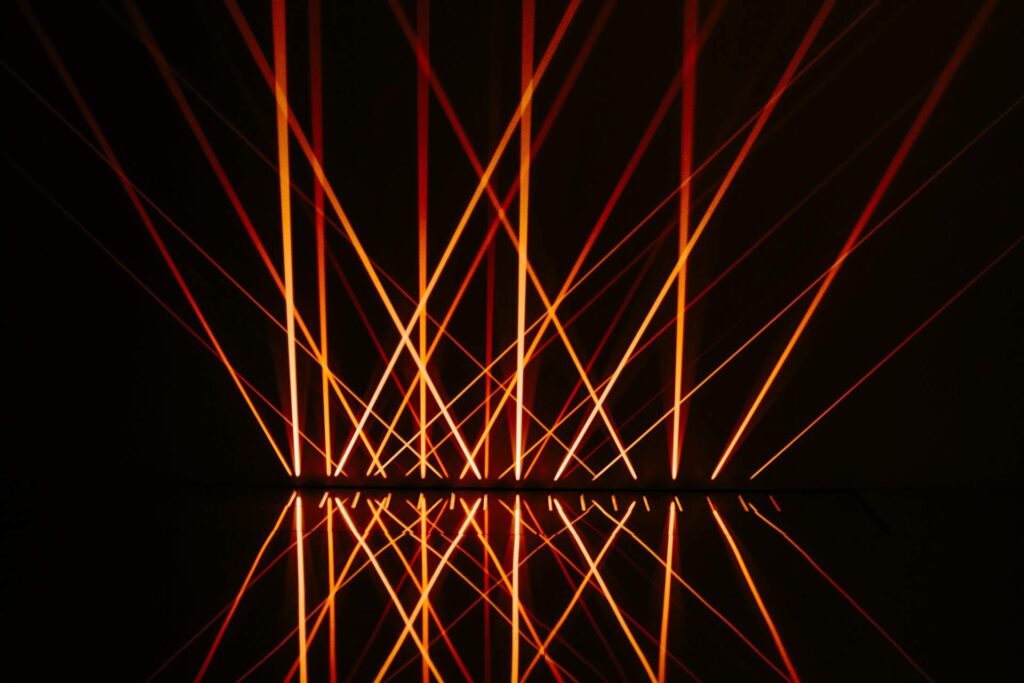
In modern nightlife, visuals and lighting are no longer support systems. They are the experience itself. Light controls movement. Visuals define identity. Space dictates how people interact and respond. When these elements are designed together, the result is seamless. When they are treated separately, the experience feels fragmented, no matter how good the music is.
The problem is that many venues still operate on outdated workflows. Visuals, lighting, and sound are often handled by different teams, using different systems, with little integration. Everything works on its own, but nothing works together. The result is technically functional, but emotionally disconnected.
The next generation of venues approaches things differently. They design environments as unified systems from the very beginning. Creative direction, visual programming, lighting architecture, and sound engineering are all connected, allowing the space to respond in real time. This creates a level of immersion that cannot be replicated through isolated setups.
Music will always matter. But it’s no longer the defining layer. The venues that stand out today are the ones that understand this shift — where environment is no longer background, but the core of the experience.